The Intersection of Metal and Fabric Art
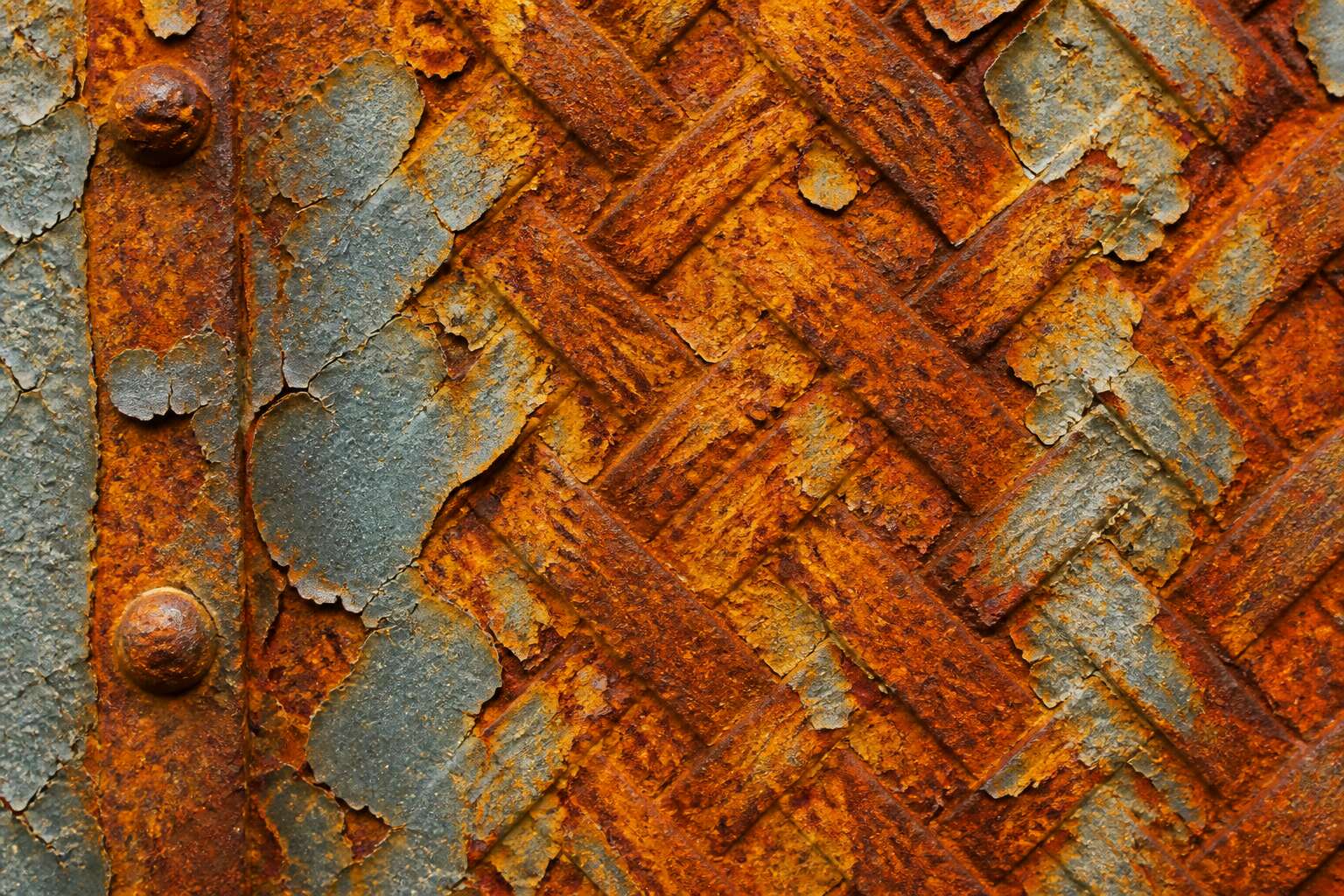
In Johannesburg studios, rust has become a textile. Artists press corroded wire onto canvas, leaving burnt-orange prints that echo woven thread. It is a strange courtship. Metal offers structure, fabric offers memory, and the point of intersection is where rust weaves across both materials.
Consider the process. Steel washers are left to weather in rain, then pressed against linen to transfer their stain. Some works join metal mesh to cotton, letting corrosion spread on its own. Patience is essential. So is a sense of humour, because rust never follows your schedule!
- Corroded wire adds texture
- Linen holds pigment deeper
- Coastal humidity accelerates staining
This interplay pleases our love for the imperfect. That is why where rust weaves captivates collectors, bridging industrial grit with domestic softness in a proudly local way.
Techniques for Creating Rust-Inspired Weaves
In Johannesburg, textile artists create rust-inspired weaves by coaxing color from old metal. Soak cotton in a solution of vinegar and steel wool, then wait for oxidation. Press a rusted bolt onto damp fabric for 24 hours. The acid bites into the fibers, leaving orange and brown halos.
- Layer multiple rust tones for depth.
- Use heat to accelerate oxidation.
- Fix the dye with salt water.
Each piece captures a unique trace of decay. The point where rust weaves into the cloth becomes a visual record of time. South African makers value this unpredictability, turning corrosion into elegance.
Symbolic Narratives in Oxidized Fiber Works
Oxidized fiber works hold narratives that paint cannot reproduce. The rust that settles into linen, cotton, or wool leaves a record. Where rust weaves between threads, it fixes moments of moisture, heat, and exposure into the fabric’s grid.
Consider the symbolic narratives embedded in these pieces:
- The halo from a steel pin left overnight, marking impatience.
- The stain from a rainstorm that caught a workshop with its windows open.
- The line where a metal clamp held fabric for a season, showing patience.
In South Africa, I often see this in workshop floors where rust weaves through offcuts of hessian. The corrosion patterns tell us how dry the air really was, or how salty the coastal breeze had turned. These marks document differing conditions, compressed into woven form.
Practical Guidance for Collectors and Makers
At a Johannesburg flea market, I once watched a collector pay four hundred rand for a rusted tobacco tin. He wasn’t buying a container. He was buying the memory of a grandfather’s stoep and the stories shared there. This is the secret life of where rust weaves: it connects our present to a layered past, one that demands patience and a steady hand.
The relationship between collector and corrosion is a nuanced affair. You must respect the patina yet arrest the decay that threatens the object’s integrity. For every piece, the treatment differs.
– Stabilise ferrous metal with a tannic acid solution, then seal it with microcrystalline wax.
– Use a stiff brass brush only; steel bristles will leave unsightly scratches.
– Store items in a climate-controlled room, as coastal humidity is your primary adversary.
Makers, too, find their hands guided by this materiality. When you work with reclaimed metal, you are not simply shaping material. You are negotiating with its history, learning the rhythm of its grain and the story of its stress lines. It is a quiet, respectful waltz between intention and time, where rust weaves its own narrative through your creation.



0 Comments