Understanding Weave Structures
Plain Weave Basics
Plain weave is the fabric’s heartbeat, a simple over-under rhythm that shapes everything from workwear to luxury scarves. The structure rests on a 1:1 interlacing of warp and weft, a timeless geometry that yields calm, even faces. In South Africa’s vibrant textile scene, this unassuming pattern underpins durability and clarity under shop lights. Plain weave reveals a quiet drama!
Understanding plain weave basics reveals why it remains the backbone of weaves textiles. When warp threads rise and fall in lockstep with the weft, the fabric forms a tight, balanced fabric with minimal stretch. It solvently accepts finishes, dyes well, and wears gracefully.
- Over-under 1:1 interlacing
- Even surface on both sides
- Economical, quick to loom, with predictable drape
For designers and manufacturers in South Africa, plain weave offers reliable cloth for uniforms, home textiles, and fashion staples, proving that simplicity can be deeply expressive.
Twill Weave Variants
Twill moves with the fabric’s grain, delivering depth and resilience for South Africa’s workwear, uniforms, and fashion. This diagonal weave distributes stress along warp and weft, boosting abrasion resistance without bulk. ‘Twill is the workhorse of the wardrobe,’ a local designer says, and the line between formal and casual softens with its steady hand.
Here are common twill variants you’ll encounter in weaves textiles:
- Regular twill — classic diagonal line, stable drape
- Herringbone — a zigzag that adds texture
- Broken twill — offset weft returns for dimensional depth
- Chevron — bold, single-direction chevrons for motion
In South Africa, these variants influence how weaves textiles feel and perform in heat and dust. The choice affects hand, appearance, and durability across shirts, jackets, and workwear, keeping garments resilient while staying comfortable in various climates.
Satin and Sateen Weaves
“Satin isn’t just a shine; it’s a surface negotiation,” a South African designer says. Satin weaves create a mirror-like face through long yarn floats, lending shirts and jackets a dressier feel. Sateen, usually cotton-based, offers satin-like luster with a softer hand and better breathability in warm days. Within weaves textiles, satin and sateen define surface texture, drape, and care, shaping how fabrics respond to heat and dust.
- Surface shine and drape
- Fiber content and durability
- Care requirements in heat and dust
Ultimately, the choice between satin and sateen weaves balances polish with practicality, aligning garments with both style and climate realities across South Africa.
Basket and Rib Weaves
“Texture tells a story before a word is spoken,” a South African artisan might say, and in the world of weaves textiles, basket and rib structures spark quiet magic. Basket weave stitches warps and wefts into a checkerboard; rib weave lifts light with ridges.
Basket weave pairs multiple warp yarns with the same number of weft yarns—2×2 or 3×3—creating a sturdy, airy surface. It drapes softly yet wears hard, making it ideal for casual jackets, summer fabrics, and decorative textiles.
Rib weave uses thicker yarns or offset counts to form pronounced grooves, either in the warp or the weft. The result: tactile depth and structure, great for sweaters, outerwear, and upholstery where a touch of drama meets durability.
- Texture interaction
- Durability vs. drape
- Applications in fashion and interiors
Jacquard and Complex Weave Patterns
Texture is memory in motion, a hook that pulls the eye before a single word is spoken. Jacquard unlocks that memory by threading stories directly into cloth. The loom’s elaborate lift system translates design into an orchestra of interlaced warp and weft, enabling patterns that ripple across swathes of fabric with astonishing fidelity.
- Damask-inspired motifs with reversible symmetry
- Brocade-like reliefs tracing lush scrolls
- Tapestry-grade narratives woven into depth and color
- Matelassé-like padding for tactile density
In the world of weaves textiles, such patterns choreograph light, shadow, and weight, elevating garments and interiors alike. The interplay of lift and ground yields textures that endure, while whispering stories of craft from Cape Town studios to urban Johannesburg ateliers.
Fibers and Materials in Textile Weaving
Natural Fibers and Their Weaving Properties
Fibers set the mood in any textile conversation. In weaves textiles, natural fibers carry memory—breathability, warmth, and a tactile honesty that modern synthetics crave from afar. Cotton brings everyday ease; wool gives warmth and resilience; linen provides a cool, crisp hand; silk adds a sheen and drape. “Fiber tells the loom what to do,” an old weaver would say, and the weaving properties—length, fineness, moisture management—shape warp tension, weft interaction, and the fabric’s final character you encounter on the rack.
- Cotton: soft, breathable, easy to care for
- Wool: warm, elastic, durable
- Linen: strong, cool, textured
From a South African perspective, these natural fibers translate into textiles ready for Cape heat and Highveld evenings—breathable, durable, and wonderfully expressive. They respond to careful finishing, yielding fabrics that stay stylish through seasons.
Synthetic Fiber Options for Weaving
Textile math isn’t just numbers; fibers have personality. In our climate, synthetics shine where natural fibers wobble, delivering predictable performance in weaves textiles. A good synthetic blend stays colorfast, dries quickly, and resists pilling, shrugging off Cape sun and Highveld evenings. ‘Fiber sets the loom’s attitude,’ as the old weaver told me, and filament choice dictates drape, hand, and finish.
Here are common synthetic options that weave textiles rely on:
- Nylon: exceptional strength and elasticity for durable warp and smooth drape
- Polyester: dimensional stability, colorfastness, and moisture management
- Acrylic: warm, soft hand with good bulk for knits and weaves
- Olefin/Polypropylene: ultra-light, quick-drying, excellent for outdoor fabrics
South African studios will love the control these fibers offer: you can tune stiffness, handle, and moisture management to suit Cape heat or Highveld evenings, keeping weaves textiles crisp and fashionably behaved.
Fiber Blends and Hybrid Yarns
Fibres decide outcomes before the first shuttle—they set the loom’s mood and the fabric’s future. In our weaves textiles, blends and hybrid yarns let us tune stiffness, handle, and moisture management to Cape heat and Highveld evenings. A well-chosen blend delivers colorfastness, quick-drying performance, and a calm hand that wears well over time.
Nylon, polyester, acrylic, and olefin can be combined as sturdy warp with a softer weft, or formed into bicomponent filaments that shape drape and finish. Filament-based blends offer crispness and resilience, while staple blends soften the hand. The result is fabrics that resist pilling and stay true under harsh sun and shifting temperatures.
- Enhanced strength for durable fabrics
- Balanced moisture management and colorfastness
- Predictable drape and finish across Cape and Highveld climates
Yarn Preparation, Sizing, and Quality Control
Global textile waste clocks in at roughly 92 million tons each year, a stark reminder that fiber choice and preparation are acts of stewardship. In the realm of weaves textiles, fiber selection—not just the yarn you pull, but how it is prepared—dictates loom harmony, yarn strength, and moisture behavior. From natural fibers to synthetics, the path from bale to bobbin involves conditioning, controlled moisture, and careful singeing before sizing begins.
Sizing sessions apply a temporary shield to the warp, moderating friction and bias so the loom can breathe. The right sizing chemistry balances stiffness and flexibility, while maintaining runnability across ends.
- Warp compatibility and loom efficiency
- Moisture management and dye uptake
- Dimensional stability and pilling resistance
Quality control keeps the thread honest: sampling, tensile tests, and colorfastness checks ensure consistent weave quality across batches, from coastal mills to inland SA workshops.
Fiber Finishes and Their Impact on Weave Performance
Across South Africa’s textile halls, a single finish can determine whether a bolt glides smoothly or snarls at the loom. Fibers and their coatings set the stage for weave performance—elasticity, moisture management, and surface response all ride on the chosen material. Natural fibers offer breath, synthetic fibers bring resilience, and the right finish tunes softness, luster, and friction so the loom hums rather than protests.
Finishes that matter include:
- Softening and lubricating finishes balance stiffness and drape
- Crease-resisting and dimension-stabilizing finishes for warp stability
- Moisture-management and dye-uptake ready finishes for consistent color
That harmony—fiber, finish, and loom—lets weaves textiles tell their story from bale to bobbin.
Techniques and Equipment for Weaving
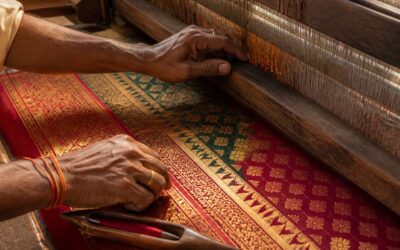
Manual Loom Techniques and Projects
From a South African studio, the loom speaks in measured thumps, turning color and fibre into living myths—every shuttle arc a spell cast into fabric. A recent survey hints that organized tools shave days off project timelines, boosting consistency in weaves textiles. Here, technique blends deliberate rhythm with patient observation, where warp alignment, tension, and even beat breathe life into material.
- Warp beam and tension system
- Reed, heddles, lease rods
- Shuttle and beater
- Scissors and marking tools
- Warping board or warping mill
Projects bloom from small experiments that celebrate texture and drape—scarves, napkins, and wall hangings that invite the eye to travel along the warp. These concepts fuel a studio narrative, where technique and imagination mingle more than material.
- Scarf-length sample
- Table runner concept
- Textured wall hanging
Industrial Power Loom Methods
In South African mills and studios, modern power looms set a new tempo: automation can cut setup and run times by up to 40%, turning careful planning into dependable throughput. This shift places weaves textiles at the heart of scalable production and design flexibility.
Techniques revolve around synchronized motion: warp delivery, shedding, and weft insertion must harmonize with tension and fabric geometry. Operators tune micro-tweaks in feed rates and beat timing to keep every woven line consistent, even as fibers vary.
- Electronic warp tension control for consistent width, even with varying moisture.
- Servo-driven take-up systems that regulate fabric roll quality and finish.
- Automated shedding and weft insertion to stabilize pick density across long runs.
- Integrated diagnostics and connectivity for real-time monitoring and adaptive maintenance.
In South Africa, industrial power loom methods prioritize reliability and repeatable geometry, inviting designers to imagine proportion and sheen across lengths. The result is fabric that reads as a single thread of time, whether it holds crisp twill or graceful drape.
Jacquard Loom Design and Applications
In South Africa, the loom room hums with a fate-tinged statistic: electronic jacquard weaving can cut pattern-change times by up to 60%, turning drafts into fluid fabric. Motifs breathe, and the loom keeps pace with daylight.
Jacquard systems treat each warp as a story thread, freeing designers to compose complex motifs without sacrificing repeatability. Pattern data travels from workstation to the loom’s control unit, and micro-adjustments in yarn feed, shedding, and take-up let us shape how weaves textiles reveal texture and sheen.
Key equipment and features that power Jacquard-driven fabrics in South African studios include:
- Electronic pattern heads with memory and rapid-change capability
- Servo-driven take-up and warp let-off for width stability
- Precision shedding and weft insertion with adaptive beat control
- Remote diagnostics and cloud connectivity for maintenance
These tools give designers a vocabulary of opacity, luster, and structure that reads as a single thread of time, even across elaborate repeats.
Warping, Dressing, and Prep for Consistent Weaving
South Africa’s loom rooms prove that a flawless warp is the unsung hero of any fabric. A disciplined warping and dressing routine can cut downtime and misreads by a quarter, turning drafts into smooth weaves textiles. Precision at the outset keeps the shed honest from first to last pick.
Essential gear and practices center on stable geometry and clean transfer of motion: sectional warp beams for even width, a sturdy creel with tension control, hardened heddles, and a disciplined reed alignment. Regular maintenance—lubrication, gentle cleaning of dents, and careful take-up adjustments—ensures the loom answers promptly to every beat and every pattern’s demand.
- Sectional warp beams for stable width
- Warp creels with tension control
- Heddle banks and consistent shedding
- Reed alignment and beat control
- Loom lubrication protocol
These routines translate into consistent weaves textiles across long repeats, a small theatre of precision that honours craft and clients alike.
Loom Maintenance, Troubleshooting, and Efficiency
Maintenance mindset cuts downtime. In South Africa’s studios, a well-tuned loom trims downtime by about a quarter on long runs. That discipline makes the leap from rough drafts to consistent weaves textiles. The trick is steady, thoughtful care that stays true from the first shuttle to the last pick.
Techniques and equipment anchor maintenance, troubleshooting, and efficiency with reliable motion and clean control. Consider these foundational elements:
- Smooth, backlash-free motion paths
- Sturdy, vibration-dampened foundations
- Cleanliness and contamination control
- Clear diagnostic signals and pattern integrity
Diagnostics and troubleshooting hinge on observation and data flow. When a fault arises, the best teams trace symptoms to fundamentals and rely on modular components that can be swapped with ease. Efficiency follows pace and predictability, turning routine maintenance into a competitive advantage.
Applications, Trends, and Sustainability in Weaving
Home Textiles and Fashion Applications
Applications in both home textiles and fashion unfold as tactile storytelling: plush upholstery for lodges, crisp bedding for urban apartments, and adaptable outerwear suited to SA’s climate. In the world of weaves textiles, durability, dye uptake, and everyday comfort fuse into pieces that feel intentional and alive under Southern sun.
Trends in South Africa and beyond favor sustainability, expressive textures, and local collaboration. Designers chase tactile stories as much as color, and fabric-makers respond with new finishes and open-ply weaves that read as art on the body. The following shifts are shaping fabrics used in homes and runways:
- Local craftsmanship meeting designer ideas
- Regenerative and recycled fibers in everyday weaves
- Low-impact finishes and water-efficient dyeing
Sustainability in this arena means longer product lifespans, repair-friendly constructions, and end-of-life recycling—values that resonate with South Africa’s repair culture and textile cooperatives. Opting for fibers and finishes that lower water use and emissions keeps homes and wardrobes aligned with a more responsible future.
Industrial and Technical Textiles
Texture is memory—the feel of a fabric recalling place before it speaks. In South Africa, durable, repair-ready textiles are rising in value, and the phrase weaves textiles is becoming a promise designers can trust. “Texture is memory,” says a SA designer, and it lands with a warm, stubborn truth under the Southern sun.
Applications span filtration membranes, protective wear, and smart-textile interfaces—fields where strength meets comfort. Our weaves textiles empower form and function without sacrificing touch.
- Durable, abrasion-resistant builds
- Seam-integrated sensors for performance
- Lightweight, breathable layers
Sustainability shifts toward regenerative and recycled fibers in everyday weaves textiles, with low-impact finishes and water-saving dyeing guiding the industry toward gentler footprints. In SA, repair culture and textile cooperatives breathe life into supply chains, closing loops with dignity.
Digital, 3D, and Automated Weaving Trends
Applications in weaves textiles are breaking barriers, and we, as designers, see digital and 3D looms delivering filtration membranes and sensor-bearing skins that flex with movement. The texture remains essential—durability meeting comfort, form meeting function—under the SA sun.
Trends in weaving digital, 3D, and automated processes are reshaping supply chains. Lightweight, complex geometries emerge, while intelligent controls synchronize pattern, speed, and tail-end finishing. The list below hints at the new grammar of fabric design.
- 3D-printed warp architectures
- autonomous loom optimization
- on-demand batch production
Sustainability is a quiet revolution. Regenerative and recycled fibers influence fabric choices, while low-impact finishes and water-conscious dyeing reduce the footprint. In SA, repair culture and cooperative networks knit supply chains closer to home.
Sustainable Practices in Weaving and Recycling
In SA, a shift toward smarter weaves textiles has slashed water use by nearly 30% in new production cycles, turning wasteful stretches into woven efficiency. Applications span filtration membranes and sensor-bearing skins that flex with movement—proving comfort can share the stage with performance.
Trends fuse design and delivery, shrinking the gap between concept and cloth. Expect smarter warp paths, autonomous loom control, and on-demand batch production that trims waste and space.
- lighter, more complex geometries
- intelligent pattern synchronization
- near-shore finishing and repair networks
Sustainability is a quiet revolution: regenerative and recycled fibers, low-impact finishes, and water-conscious dyeing reshape choices. In SA, repair culture and cooperative networks knit supply chains closer to home, turning circular thinking into everyday weaves textiles.
Care, Longevity, and Ethical Considerations in Woven Textiles
Applications of weaving care and longevity are reshaping South Africa’s textile story. These weaves textiles invite mindful maintenance—gentle washing, selective repair patches, and modular finishes that resist pilling and seam wear, turning routine wear into lasting use. A 30% longer lifespan in local production cycles isn’t vanity; it changes the math of value.
Trends lean toward resilient, local life cycles and human-centered design. Think repair-friendly fabrics, transparent provenance, and disassemblable structures that invite reimagining of garments.
- Local repair networks
- Transparent provenance
- End-of-life disassembly
Sustainability and ethics anchor the conversation: fair labor, traceable supply chains, and regenerative fibers paired with low-impact finishes and mindful dyeing. Cooperative models knit communities closer to home, turning responsibility into everyday practice!



0 Comments