The Popularity of Men’s Weaves
What Drives Men to Try Weaves
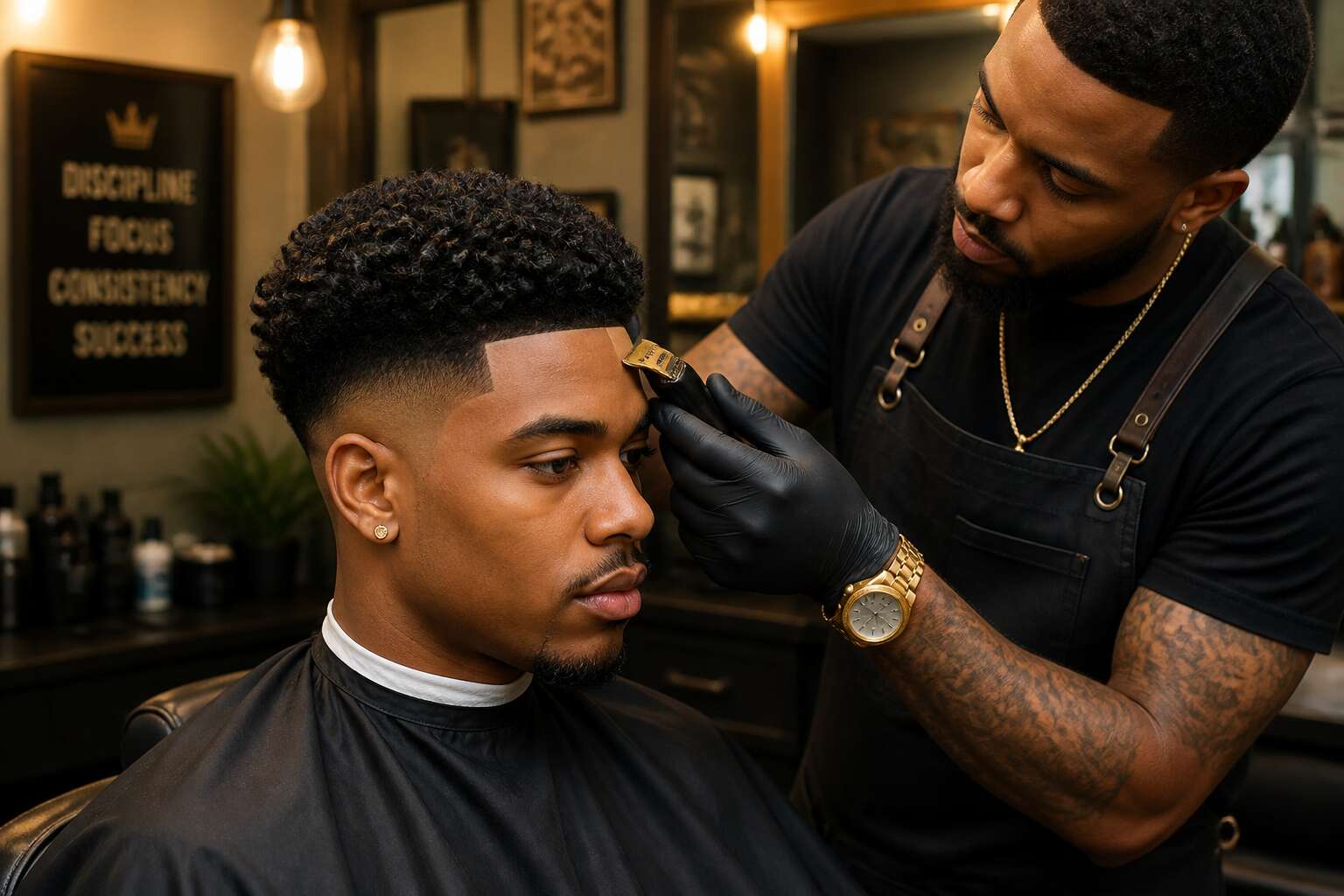
Men in South Africa are quietly changing their grooming routines. I have watched this change happen in my own circle. The stigma around men’s hair pieces is fading. Weaves for men are no longer a secret or a shame. They are a response to real needs.
What drives this shift? Consider the practical reasons:
- Hair loss is the primary trigger. Many men notice thinning by age 35, and a weave restores density quickly.
- Style versatility. Textured hair trends demand volume,and a weave provides the base for sculpted cuts.
- Protective benefits. A weave shields natural hair from heat, harsh chemicals,and daily manipulation.
Convenience also matters. Men in Johannesburgor Cape Town lead busy lives. A weave cuts styling time in half. It delivers consistent looks without a morning struggle. That’s why more South African men treat weaves as a grooming mainstay, not an oddity!
Different Cultures and Men’s Weaves
Men’s weaves have moved beyond Johannesburg and Cape Town. In West Africa, artisans weave hairpieces with techniques passed down for generations. Brazilian men use weaves to add texture to straight hair. Across Asia, weaves support modern styles that demand length and volume.
Cultural differences shape how men approach weaves. Some view them as ceremonial, while others see them as everyday grooming. The global popularity grows because weaves for men adapt to local aesthetics and hair types.
- In Nigeria, weaves appear at weddings and celebrations.
- In Japan, men favour subtle weaves for professional settings.
- In the United States, weaves are common in sports and entertainment.
South African men take cues from these influences. They choose weaves that fit their lifestyle, whether for work or social events. This cross-cultural exchange drives wider acceptance and innovation.
Weaves vs. Other Hair Replacement Options
The mens grooming aisle offers a dozen ways to hide a thinning crown, yet weaves for men hold a peculiar advantage. A toupee looks obvious. A transplant demands patience and a surgeon. Weaves provide immediate results and styling freedom. I have watched Cape Town professionals switch from glue ons to weaves for a natural silhouette. The upkeep tells the difference!
Other options:
- Toupees require daily adhesive and careful corners
- Surgical transplants need recovery time and cost a fortune
- Hair systems often look too perfect
Men can adjust density and length without commitment. For South African men juggling work and social calendars, that flexibility proves decisive. No scalp scars, no waiting rooms. Just hair that moves naturally.
Types of Weaves Men Can Choose From
Sew-In Weaves
Sew-in weaves for men are not a novelty; they are a strategy. A well executed sew-in survives two months of gym sessions and Cape Town humidity. The trick lies in selecting the right variation.
Full sew-ins cover the entire scalp, providing complete coverage. Partial sew-ins keep the natural hairline visible, which reads as more authentic in daily life. For those who want structure, I suggest these options:
- Straight back sew-in: tight, sleek, and low maintenance
- Free part sew-in: creates a natural looking parting without visible braids
Each choice alters how others perceive your grooming. A straight back signals order; a free part suggests ease. The distinction changes your social signal from formal to relaxed.
Glue-In Weaves
Glue in weaves for men offer a different kind of commitment. Unlike the sew in method, these rely on medical grade adhesive to bond the hair directly to the scalp or a protective cap. The result lies flat, moves naturally, and feels lighter during daily wear.
Cape Town’s coastal wind and Johannesburg’s dry winters affect how long a glue in lasts. Some men get four weeks between maintenance visits. Others need a touch up every fortnight.
- Full bond covers the entire crown
- Perimeter bond leaves the edges free
Men who train heavily should consider the perimeter method, because sweat lifts adhesive faster along the hairline.
Clip-In Extensions
Clip-in extensions are the most honest option in the weaves for men category. There is no adhesive, no thread, and no salon chair required. A man can attach the pieces himself in under five minutes, which makes them a practical choice for anyone who wants volume for a single evening or a weekend event.
The system works because it is simple. Each weft clips into the natural hair at the root. Removal takes seconds. This immediacy appeals to men who are curious about weaves for men but not ready for a multi week commitment. The cost is also lower, which lowers the barrier to entry for a first time user.
Men in Johannesburg often balance a demanding work schedule with social obligations. Clip-ins suit this rhythm. They allow a man to change his look for a Friday night function and return to his regular style by Monday morning.
Common clip-in configurations include:
– Four piece sets for adding subtle density at the crown
– Six piece sets for mid length coverage
– Eight piece sets for full volume across the entire head
The hair quality determines the lifespan. Human hair clip-ins can last over a year with proper care. Synthetic options are cheaper but degrade quickly under Cape Town’s intense summer sun. A man should also protect the clips from humidity, as moisture weakens the grip over time.
The main limitation is physical activity. Heavy sweating can loosen the clips during a gym session. But for daily wear, social events, or office environments, clip-in weaves for men remain the most flexible entry point into the practice. They offer control, reversibility, and a direct way to test a fuller hairstyle before committing to a more permanent method.
Tape-In Weaves
Tape-in weaves occupy a middle ground between the temporary clip-in and the long term sew-in method. Thin adhesive strips sandwich a man’s natural hair between two wefts, creating a flat profile that moves naturally with the head. This makes them a smart choice for men in Johannesburg or Durban who want sustained volume for a full season without the permanence of threading or bonding.
The wear time typically reaches six weeks before the adhesive starts to lose its grip. A salon visit handles the repositioning, but the daily routine stays simple. A man can wash, style, and treat the hair almost as if it grew from his own scalp.
Some practical details matter for first time users:
– Tape-ins require natural hair at least 10 centimetres long for a secure hold
– Oily scalps shorten the lifespan of the adhesive strips
– Salt water and heavily chlorinated pools degrade the bond much faster
Tape-in weaves for men work best for those who want a fuller appearance across business trips and weekend social calendars, then want the option to let their hair return to normal within a matter of weeks.
Braided Weaves
For the man who wants an unshakeable foundation, braided weaves offer a different kind of permanence. This method uses your natural hair as an anchor. The stylist creates tight cornrows flat against the scalp, and then sews the weft directly onto this base. The result is a secure system that moves as one with your head, which is a major advantage for those leading an active life.
The preparation requires a significant investment of time, but the payoff is a low-maintenance schedule. You will not be adjusting anything daily.
1. The natural hair must be long enough to braid, typically at least five centimetres.
2. The cornrows need to be tension-free to prevent traction alopecia.
3. Your scalp should be healthy and free of any irritation before installation.
This option is a favourite in South Africa because it is robust. It holds up against high humidity and regular training sessions without losing its shape. While the tape-in method offers a quick temporary fix, braiding provides a longer term solution. It remains a practical choice for men who prefer a set-and-forget approach to their grooming routine, confidently carrying the weaves for men trend beyond a single season.
Custom Wigs and Toupees
Most men in South Africa who choose weaves for men rely on their own hair as the anchor. Custom wigs and toupees overturn that assumption entirely. The unit is built on a polyurethane or lace base that sits flush against the scalp, which means natural hair length and texture matter less. This suits men with patchy growth, alopecia, or post-operative hair loss.
The consultation in Johannesburg or Cape Town is precise. You specify density, curliness, and hairline shape, and the maker maps your scalp to avoid seams. The wait often runs three weeks, but the payoff is a piece that behaves like your own hair.
During the fitting you decide:
- base material and thickness
- hairline realism and recession
- parting direction and styling freedom
Other methods do not offer this level of control. It moves weaves for men from temporary grooming into a durable personal design.
Pros and Cons of Men’s Weaves
Immediate Length and Volume
Styling Flexibility
The styling flexibility of weaves for men is their defining feature. A man can wake up with a slick, straight fringe and switch to a curly crop by the afternoon, all while his natural strands stay safe underneath. That transformation is the core appeal!
Yet that freedom demands a rigid ritual. Heat tools will shorten the weave’s lifespan. Chemical products can dry out the fibres and make them brittle. An overly tight install pulls the edges until they recede.
The look may change with the week, but I have seen the attention required stay heavy for anyone balancing a demanding office job with weekend escapes.
Maintenance Time and Effort
Maintaining weaves for men demands a schedule, not a whim. A proper wash and deep condition every week takes forty minutes. A reinstall every four to six weeks takes a few hours. That is the con. The pro is that this effort buys you a flawless look without daily styling. Your natural hair stays tucked away, growing strong underneath.
Here is the honest breakdown:
- Pro: Consistent care extends the weave’s life to eight weeks.
- Con: Neglect leads to matting and a visible line of demarcation.
- Pro: A fixed routine simplifies mornings.
- Con: The routine itself is non-negotiable.
I have seen men with demanding jobs thrive on this structure. The effort is heavy, but the payoff is a head of hair that never shows the work behind it.
Potential for Hair Damage
Weaves for men carry a real risk of traction alopecia. That condition is permanent when tension is ignored. The pro is that a skilled stylist can install without stressing follicles. The con is that poor technique does the opposite. I have seen this in Johannesburg:
- Tight glue-in weaves cause scalp sores.
- Heavy extensions snap natural strands.
- Reinstallation without rest thins edges.
Damage is not inevitable. It comes from sloppy work and neglected aftercare. Men with robust hair often lose density after one bad install. Men with weak hair might lose more. A professional checks your scalp first and refuses to proceed if it shows stress. Weaves for men can be safe, but only with honesty about your hair’s limits.
How to Install a Men’s Weave
Pre-Installation Preparation
The most common mistake is treating a weave as a quick fix, a sartorial sleight of hand that ignores the foundation. Your scalp and natural hair are the canvas, and a masterpiece begins with a pristine surface. This is not the moment for improvisation; it is a ritual of diligence. Consider the climate here in South Africa. Our sun and wind demand a level of preparation that colder, damp climates simply do not require. Before you even think about the aesthetic, you must address the practical.
Begin with a clarifying wash to remove product buildup and natural oils. Follow with a deep conditioning treatment to fortify the hair shaft against the tension to come. The hair must be completely dry, as any residual moisture creates a breeding ground for mildew, a catastrophe no gentleman wishes to endure. For a sew-in, flat braids are non-negotiable; they must lay like a second skin against your head. Bulky braids will bulge through the weave, ruining the illusion of a natural scalp. Here is the essential kit you will need:
1. A wide-tooth comb to gently detangle knots.
2. A non-greasy leave-in conditioner to moisturise without slippage.
3. A silk or satin scarf for overnight, to reduce friction and frizz.
4. A mirror with both front and back views for careful inspection.
Do not rush this stage. A meticulous preparation phase is the sole difference between a seamless, dignified appearance and a lumpy disaster. When the braids are tight and the hair is supple, you have earned the right to add the weaves for men that will carry you through the month. Remember that the scalp’s health is directly tied to the style’s longevity, so give your own head the courtesy it deserves before it disappears beneath the new hair. A bit of patience here will save you a great deal of embarrassment later, at the braai or the boardroom.
Choosing the Right Base
Nothing invites a stranger’s stare quite like a weave that has shifted, revealing a hairline at war with itself. After the preparation is complete, the next decision is the base, the foundation upon which every strand will rest. This choice determines not only the look, but the very security of the installation, and it is a decision that many men overlook until a gust of Cape Town wind exposes the error. A proper foundation should be as invisible as it is immovable.
For men with active lives, whether in the gym or on the road, a sew-in over tight cornrows remains the stalwart choice. The braids create a flat, durable surface that anchors the weft without exposing the scalp to adhesive chemicals. Conversely, a wig or toupee base offers an adjustable fit, but it demands daily removal to allow the scalp to breathe. Consider your lifestyle and your tolerance for maintenance before you commit.
The true test of a base is its ability to mimic the scalp’s natural movement. A rigid foundation will be betrayed by the briefest glance. The best methods allow for a few millimetres of give, preventing the telltale tension lines that scream of artificiality. Opt for a base that contours, not one that merely covers.
When weighing your options, keep these points in mind:
– Density: A base that is too thick will look like a helmet. A thin base drapes better and looks more natural.
– Texture: The base must match the texture of the new hair, not the hair beneath it.
– Ventilation: The scalp needs airflow to avoid the dreaded heat rash, so choose materials that breathe.
– Longevity: A base that lasts the full month without fraying is worth the extra investment.
The eventual fit is non-negotiable. An ill-fitting base will cause slippage, which is the primary cause of the discomfort men complain about. You may also feel a slight stretch in the skin, which is normal, but sharp pain is a red flag. When the base aligns with the natural contours of your head, the result feels like a second skin, not a foreign object.
A final consideration is the hairline itself. A lace front that is glued too far down will look painted on. The base must be positioned to frame the face, respecting the architecture of your own features. The wrong base will ruin the best weaves for men, so treat this step with the gravity it deserves. Once the base is right, the rest is simply a matter of style.
The Installation Procedure
In the previous section, we discussed choosing the base, the foundation upon which every strand will rest. That decision shapes the entire experience. Once the base is secured, the installation itself begins. This is where preparation meets precision. For those considering weaves for men, understanding the installation process is essential. It is not a single act but a sequence of deliberate steps, each one building on the last to create a seamless appearance.
The technician will first section the natural hair, creating clean, workable parts. This ensures that the base remains flat and undetectable. The base material is then secured using the chosen method. For a glue-based system, the adhesive is applied in thin, even layers along the perimeter. It must be allowed to become tacky before the base is pressed into place. For a sew-in, the needle traces a careful path along the braids, anchoring the weft without pulling too tightly. Tension is the enemy here. Too much leads to headaches and tension lines. Too little results in slippage.
The final fitting is where the magic happens. The edges are blended, the hairline is refined, and the cut is shaped to the contours of the face. This stage requires a steady hand and an honest eye. A skilled stylist will check the movement of the hair from every angle, ensuring the fall looks natural. The installation is complete when the piece feels like an extension of the wearer, weightless and secure. It is a craft that rewards patience. The process itself takes time, often spanning a full afternoon, but the result is a transformation that commands attention for all the right reasons. For a man new to this world, the first installation is an education in nuance, a lesson in the value of professional hands. The routine that follows, the maintenance and care, becomes second nature, but the initial installation sets the standard for everything that comes after. It is the difference between simply wearing hair and truly possessing it.
Blending and Trimming for a Natural Look
Blending and trimming is where a weave earns its keep, or reveals its artifice. The truth is in the fall of the hair, how it catches the light and moves with the wearer, not against him. A heavy hand here is a betrayal of the craft; the goal is to make the piece disappear into the man, not to announce its own existence.
The initial cut is rarely the final one. The stylist will use the natural texture of the hair to guide the shape, snipping away the transparent and the dead ends to create a soft frame for the face. It is a process of subtraction to achieve a greater whole.
Here is what you should watch for:
– The weight line should be broken up, so the hair does not sit like a helmet.
– The final trim must be done on dry hair, as moisture can deceive.
For weaves for men, a subtle graduation at the nape and temple creates a masculine silhouette, pulling the eye upward and away from any potential giveaways. The line between the natural hair and the base must soften until it disappears completely. This is not about making a statement; it is about erasing a doubt. The shadow under the jaw is unique to a man’s longer hair, and it must be respected. When the work is done, the hair should look as if it has always been there, a truth that was simply waiting to be revealed by light and shadow.
Post-Installation Care Tips
The first 48 hours after installation set the tone for the entire lifespan of your weave. This is not the time for experimentation; it is a time for discipline. You must treat the scalp with the same respect you would give a fresh tattoo. Water is fine, but heavy sweating is not. Your body heat and natural oils will begin to bond the base to your skin, and any excessive moisture can disrupt that delicate marriage.
Washing your hair is the first major test. Do not rush into it. Wait at least a week before the first proper cleanse, allowing the foundation to settle thoroughly. When that day arrives, use a clarifying shampoo on the scalp only, applying it with the pads of your fingers rather than your nails. The hair itself requires less attention; a gentle application of a sulfate-free conditioner to the mid-lengths and ends will suffice. Rinsing requires a downward motion, not a frantic scrubbing, to prevent the cuticles from roughing up and causing matting at the roots.
Your routine must adapt to the presence of the piece. The goal is to extend its life.
– Always wrap your head in a silk or satin scarf before sleeping to reduce friction.
– Use a wide-tooth comb for detangling, starting at the tips and working upward.
– Limit the use of heavy gels or waxes near the base to prevent residue buildup.
– Schedule a maintenance appointment with your stylist every three to four weeks.
Nighttime is where most damage occurs. Tossing and turning can pull at the anchor points, causing tension and potential breakage. A simple braid or low ponytail before bed minimises movement. If you experience itching, resist the urge to scratch. Instead, apply a soothing tonic directly to the scalp using a squeeze bottle. For weaves for men, the understated approach is always best; a complicated routine often does more harm than good. The goal is to forget it is there, but that only happens if you manage the details correctly from day one.
Maintaining Your Weave for Longevity
Washing and Drying Techniques
Human hair absorbs moisture more readily than synthetic fibres, which means your weave responds directly to how you treat it. Water temperature matters more than most men realise. Hot water opens the cuticle and encourages tangling, so use lukewarm water for every wash. When you apply shampoo, focus on the weft and the scalp area, not the hair shaft itself. Work the product through with a downward motion to keep the cuticles lying flat.
The drying process is where many weaves meet an early end. Never rub the hair with a towel, the friction creates frizz and weakens the strands. Press the hair gently between two microfiber towels to extract excess water. After that, allow it to air dry whenever possible. Heat styling tools should be a rare event, not a daily routine. Follow a simple rule of thumb:
– Wash your weave every 7 to 10 days, depending on sweat and product buildup.
– Use a sulphate free shampoo to protect the colour and integrity.
– Always apply a leave in conditioner after washing to restore moisture.
– Avoid sleeping on a wet weave, it breeds bacteria and causes matting.
A weave for men should look deliberate and sharp. When you commit to the maintenance, the piece continues to blend naturally with your own hair and lasts through multiple styling changes. Skipping the routine means you will be back at the salon for a replacement sooner than necessary. Treat the drying phase with as much care as the washing phase, and the weave will hold its shape and texture for months.
Night-Time Care
Night-time care decides how long your weaves for men last. After a full day, the hair collects dust and stress. An evening ritual preserves the weave’s structure.
Sleeping on cotton pillowcases creates friction that pulls the weft and frays the ends. Switch to satin or silk. Before bed, gather the weave into a loose ponytail or plait. This prevents tangling and keeps cuticles aligned.
Follow these steps!
- Wrap the weave in a silk scarf to lock in moisture.
- Use a wide tooth comb to remove tangles.
- Apply a drop of argan oil to the ends.
Sleep on your back with the weave spread above the pillow. In the morning, a finger comb is enough. Many men miss this phase, I know, yet it is where weaves for men thrive or fail.
Refreshing the Style
A weave’s personality emerges in the days after installation. The initial crispness fades, and the hair begins to tell its own story. This is where the true art of maintenance for weaves for men takes shape. You are not just wearing hair; you are curating a presence. The style should evolve with you, responding to the rhythms of your week without demanding constant attention.
Refreshing the style is less about heavy product and more about gentle persuasion. A dry shampoo or a light tonic allows you to revive the roots without disturbing the underlying base. This is the resurrection of texture. South African humidity can introduce an unexpected wave; you can either fight it or coax it into a deliberate, polished finish.
Your hands are the primary tools for this work. Fingers can redistribute natural oils and smooth down flyaways. For a piece that has lost its shape, a warm towel applied to the weft will encourage the hair to relax back into its intended silhouette.
– Assess the parting. Use the end of a comb to redefine the line.
– Apply a small amount of styling cream to the palms and smooth over the surface.
– Steam from a hot shower can reactivate the fibres; allow the weave to absorb it for five minutes.
These small acts of attention are what separate a noticeable piece from a seamless integration. A weave that is maintained with foresight becomes an extension of your own daily grooming. It does not demand to be the centre of attention; it simply allows you to walk into a room with an unspoken confidence. One session with a stylist to re-trim the edges every few weeks will keep the shape intentional. He will tell you that the secret to an enduring style is not found in a bottle, but in the quiet rituals you perform when no one is watching.
Factors to Consider When Buying a Weave
Hair Quality and Source
When you are buying weaves for men, the quality of the hair is the single most important factor. Lower-grade hair will tangle, shed, and lose its luster within a matter of weeks. You want hair that maintains its texture and strength through washing and daily styling. Human hair is the standard for a natural look, but the grade matters. Mahogany or Brazilian virgin hair is often preferred for its density and ability to hold a style.
Equally important is the source of the hair. You need to know whether you are buying Remy or non-Remy hair. Remy hair has the cuticles aligned in one direction, which prevents matting and keeps the weave looking smooth. Non-Remy hair is cheaper, but it will deteriorate quickly. You should also verify the supplier. Reputable vendors offer a return policy and full transparency about the origin of the hair, whether it is from India, Peru, or Southeast Asia. This ensures the cuticle is intact and the hair has been ethically sourced. Always inspect the wefts for shedding before installation, as a solid foundation is critical for a durable style that looks healthy.
Matching Your Natural Hair
Matching a weave to your natural hair requires precise attention to texture, density, and color. The curl pattern must align with your own, otherwise the transition becomes obvious. Color matching demands patience; a single shade off catches the eye under bright light.
Consider these factors when choosing weaves for men:
- Texture and curl pattern alignment
- Density, to avoid unnatural bulk
- Color undertones, not just the base shade
Hair porosity also affects blending. A coarse weave installed on fine hair fails to blend, while a slippery weave on textured hair slides out of place. I always inspect the wefts under natural light to confirm the match holds across different angles.
Budget and Cost Expectations
Spending on a weave in South Africa can swing from R800 for a basic synthetic piece to over R5,000 for premium human hair. That gap often confuses first-time buyers. I have seen clients assume a high price guarantees quality, only to discover poor craftsmanship!
- Hair grade and origin
- Base construction or weft quality
- Salon skill and reputation
Budgeting for weaves for men demands more than the sticker price. Installation fees, maintenance products, and future replacements add up. A cheap weave might need replacing every six weeks, while a quality option lasts months. The quoted amount rarely covers everything, which surprises many buyers.
Seeking Professional Advice
Choosing a weave involves more than picking a shade. Your daily routine, scalp sensitivity, and willingness to maintain the style matter deeply. For instance, an active man who sweats often needs a lighter base and breathable materials. A client with a tender scalp might react poorly to glue or tight braids. These personal variables dictate the right approach.
Consider these factors before booking:
– Your activity level and exercise frequency
– Known scalp allergies or irritations
– Time you can allocate for weekly upkeep
– Your comfort with sleeping in the weave
Professional advice transforms this decision. Weaves for men require precise fitting, and an experienced stylist evaluates your hair density, growth pattern, and skin condition. They also flag potential stress points before damage occurs. I always tell clients to ask for a consultation first. A good stylist will walk through the entire process, from base selection to removal, and set realistic expectations. Trust that expertise. It saves money and protects your natural hair.



0 Comments