Understanding woven and knitted fabrics
What is woven fabric
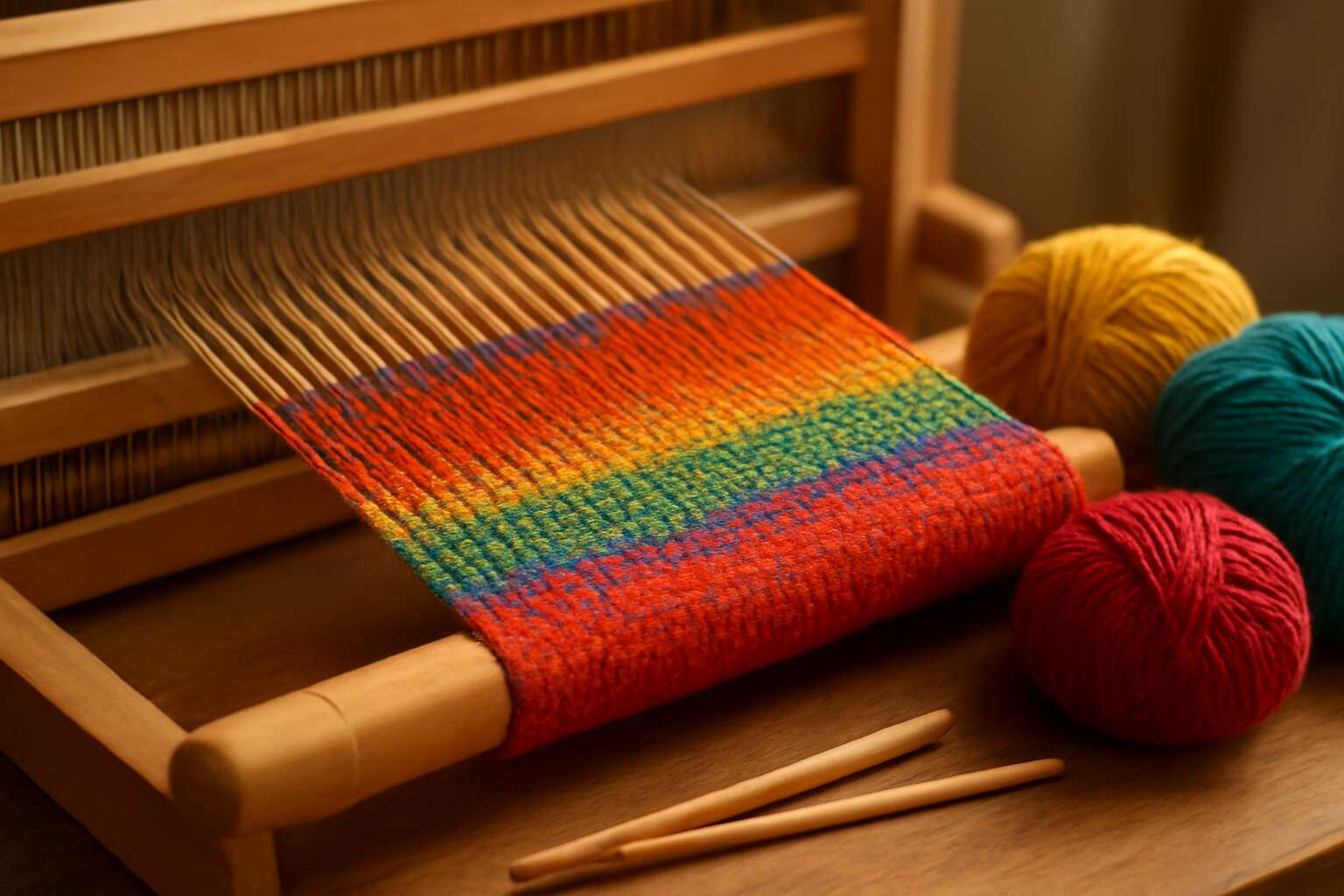
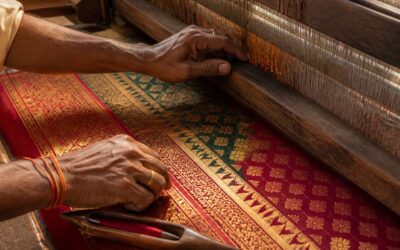
Fabrics shape comfort before color, and in South Africa’s heat, the choice matters! A textile designer once said, “Fabric is the language your skin speaks.” Understanding our weaves and knits is the first dialect you learn. Woven fabrics arise when yarns cross on a loom, giving crisp structure. Knitted fabrics form when loops stitch together, yielding soft drape and stretch.
That difference guides everything from workwear to casual tees. The right weave or knit can boost durability, breathability, and fit—key considerations for SA wardrobes where climates vary across regions.
- Woven fabrics offer structure and crisp silhouettes.
- Knitted fabrics give soft drape and comfortable stretch.
- Care varies by fiber and weave or knit type.
In practice, expect woven fabrics to hold sharp silhouettes, while knits offer everyday ease and layering versatility.
What is knitted fabric
Within South Africa’s changing climate, fabric speaks as loudly as the garment itself. “Fabric is the language your skin speaks,” notes a seasoned SA textile designer, and knitted textures respond with a quiet resilience that woven fabrics rarely match. Knits begin with loops.
Knitted fabrics form when loops connect, yielding soft drape and natural stretch. This elasticity makes knits ideal for activewear and layering, where comfort and movement matter most. When considering weaves and knits, the goal is climate-appropriate balance.
- Elasticity comes from looped construction, shaping fit without restricting movement.
- Common knit families: jersey, rib, interlock—each with a distinct hand and drape.
- Care varies by fiber and knit weight, impacting longevity.
In SA wardrobes, weaves and knits coexist, each serving a season’s need and a region’s temperament of style.
Key differences in structure and properties
Climate hues every thread in our wardrobes, and within South Africa, we see fabrics tuned to the day’s mood. A SA designer once said, “Fabric is the skin’s weather report.” In this light, understanding weaves and knits becomes a practical act of choosing comfort, durability, and style in a single breath.
Beyond looks, the core difference is structure. Wovens are stable, with yarns locked in a grid—warp and weft—creating crisp lines and steady drape. Knits are loop-based, allowing natural stretch and a softer hand. This juxtaposition shapes how they move with the body and respond to climate shifts in SA. I watch the body answer fabric’s whisper with every motion, a reminder that textiles carry more than weight—they carry intention.
- Structure: warp/weft vs loops
- Elasticity and drape
- Care and longevity
Common applications of woven and knitted fabrics
Understanding woven and knitted fabrics is a study in balance and texture—the weaves and knits that shape every movement. In SA wardrobes, fabric choice partners with climate and occasion, turning a simple garment into weather-smart attire. The application ranges from sharp tailoring to casual ease, each choice a subtle social signal.
- Wovens: crisp dress shirts, formal suiting, structured upholstery, and durable travel fabrics
- Knits: soft tees, cosy sweaters, performance activewear, and seamless underlayers
Understanding how these fabrics distribute weight and drape helps designers craft pieces that last and flatter in SA light. From drape to durability, the weave family guides the craft.
How to choose between weave and knit for a project
Bright as a sunlit rail, SA wardrobes teach us that fabric choice writes the weather. A well-chosen fabric trims seasonal churn, turning mornings into ease. Understanding weaves and knits is like reading a wind map for textiles—weight, texture, mood in every thread. I feel the SA light in linen’s breath and the hush of wool, where movement shapes the silhouette with grace.
- Weight and stability
- Drape and structure
- Elasticity and comfort
- Durability and care
To decide between weave and knit, consider how you want the fabric to behave: weight, drape, stretch, finish. Think of the garment’s climate and care, then imagine it in SA light. Either path can elevate a design born from weaves and knits.
Fiber types and textile construction
Natural fibers overview
In South Africa’s textured ateliers, natural fibers illuminate the journey from loom to label. A recent industry snapshot places natural fibers at nearly half of premium textiles, a striking reminder that beauty travels best on renewable threads. Their character—softness, strength, and a quiet, almost human luster—shapes every choice in weaves and knits. Their texture refracts light, changing with weather and wear.
Consider the spectrum of natural fibers that inform textile construction:
- Cotton
- Wool
- Silk
- Linen
- Ramie
From fibre to fabric, these materials lend breath and memory to every thread, guiding drape, texture, and resilience in weaves and knits. They respond to sunlight and moisture with a shimmer of character, reminding designers that weaves and knits are not merely fabric but language.
Synthetic fibers overview
In South Africa’s textured ateliers, premium textiles reveal a bold shift: synthetic fibers now anchor nearly half of high-end production, reminding designers that weaves and knits travel best with performance built in. Fiber types and textile construction fuse memory with breath—nylon, polyester, and acrylic deliver strength and shape; natural fibers still lend softness and warmth. The textile landscape is a language written in thread and texture.
- Nylon: exceptional strength and elasticity
- Polyester: quick-drying, color fastness
- Acrylic: warmth with light weight
From filament to staple, how fiber is spun shapes the fabric’s character. In weaves and knits, construction decisions—filament versus staple, fiber orientation, gauge—unlock drape, resilience, and memory. Synthetic fibers shine in performance garments and luxury blends alike, translating care labels into enduring silhouettes.
Blends and fiber combinations
Forty-seven percent of premium textiles in South Africa’s textured ateliers are now anchored by synthetic fibers, a bold shift that redefines weaves and knits. Nylon, polyester, and acrylic deliver strength, memory, and shape, while natural fibers keep warmth and softness.
From filament to staple, spin direction and fiber orientation shape drape and resilience. In weaves and knits, decisions about filament versus staple and gauge unlock silhouette memory and performance that travels from workshop to wardrobe.
- Nylon and polyester blends provide structure and color fastness.
- Acrylic-infused blends offer warmth with lighter weight.
- Natural fibers paired with synthetics balance softness and durability.
This blend-focused approach lets designers in South Africa push fashion forward while maintaining durability and comfort.
Fiber properties that influence warmth, drape, and durability
Across South Africa’s textile rooms, 47% of premium fabrics rely on synthetic fibers, a bold shift that sharpens the grip of weaves and knits. In these structures, fiber type decides how the garment wears: filament fibers deliver clean lines and resilience; staple fibers bring softness and warmth. Nylon, polyester, and acrylic offer memory and shape, while natural fibers grant breathability and comfort from dawn to dusk. Orientation and filament versus staple choices sculpt drape and durability in every stitch.
Fiber properties that influence warmth, drape, and durability include:
- Warmth and insulation: staple fibers like wool and cotton trap air for cozy comfort, while blends tune breathability.
- Drape and silhouette: filament fibers align to create smooth outer surfaces and fluid lines in weaves and knits.
- Durability and memory: synthetics resist wrinkling and hold shape through wear, enhancing colorfastness and resilience.
In practice, these choices breathe life into textures—soft rural blends meet crisp synthetics, shaping silhouettes that endure. The story of South Africa’s weaves and knits is written in fiber, texture, and touch.
Sustainability and ethical sourcing
‘Sustainability is a craft, not a checkbox,’ a Cape Town designer likes to say. In the world of weaves and knits, fiber choices set the tempo for quality and conscience.
Sustainability isn’t a buzzword; it’s a requirement. SA mills prioritize traceability, certifications (like GOTS and OEKO-TEX), and fair labor. Ethical sourcing supports local communities and reduces environmental impact across the supply chain.
- Certifications like GOTS and OEKO-TEX ensure responsible processing.
- End-to-end traceability from fibre to finished fabric.
- Local partnerships support SA communities and shorter supply chains.
Weave patterns and knit structures
Popular weave patterns and their uses
Texture is the unseen magnet shaping South Africa’s textile landscape: industry chatter suggests the right weave can boost perceived quality by up to 40%. In the world of weaves and knits, a single pattern can sculpt warmth, movement, and memory into fabric that speaks before it is touched.
Popular weave patterns and their uses align with function and mood. Here are foundational patterns:
- Plain weave: simple, sturdy, versatile for shirts and casual wear.
- Twill: diagonals, drapes well; ideal for denim and workwear.
- Satin: glossy surface with a silky hand for luxury garments.
- Jacquard: intricate motifs woven into cloth for statement pieces.
Beyond patterns, knit structures mirror the dialogue—rib for stretch, stockinette for smooth drape, and jersey for casual comfort. Together, they choreograph movement and warmth, forging fabrics that feel alive to the touch and loyal to South African wearers.
Common knit structures and textures
Texture speaks in quiet weight and lustre. A respected South African designer once whispered, “Weave is memory you can touch.” In the realm of weaves and knits, the pattern is more than form—it is a conversation between hand and fabric, a response to sun, wind, and warmth.
Weave patterns and knit structures choreograph movement: a stable weave holds shape; a light weave glides with drape; a dense knit traps warmth. The drama resides in texture—surfaces gleam, fuzz softens, loops hum beneath fingertips—each choice shaping how the garment moves with you.
- Crystalline sheen on smooth surfaces for formal pieces
- Velvet-like fuzz for cozy layers
- Open, airy loops for breathability in warm climates
Combining weaves and knits in fabrics
The SA design world often opens with a spark: “Weave is memory you can touch.” This dialogue—weaves and knits—speaks in texture and tempo. When pattern meets fabric, a conversation unfolds on the body: woven motifs hold structure while knits cradle movement, responding to sun, wind, and warmth along the journey.
Blending weave patterns with knit structures unlocks a spectrum from architectural surfaces to cloud-like silhouettes. A stable weave anchors shape; a coordinated knit adds elasticity and warmth. The result is fabric ready for South Africa’s varied climates without losing character.
- Structured twill panels paired with a fine rib knit create tailored jackets that move with ease
- Open mesh weaves layered with airy stockinette deliver breathable layering for warm days
- Satin-like weaves beneath brushed knits offer quiet luxury with gentle warmth
In this field, line between cloth and conversation grows finer, inviting design with purpose—a dance of weaves and knits.
Texture, weight, and drape considerations
Across South Africa, 70% of a garment’s success hinges on texture and drape, not color alone. weaves and knits speak in texture and tempo, shaping how a cloth sits on the body. A satin weave glides with fluid line and quiet elegance, while a rib knit adds warmth and buoyant movement. Texture and weight travel together, answering climate and culture with intention.
- Light-weight satin weaves and open meshes yield airy drape for warm days.
- Medium-weight jersey knits and stockinette blends balance movement with warmth.
- Dense twill or brushed weaves provide structure for tailored silhouettes and endurance.
When chosen with care, the interplay of weave patterns and knit structures turns fabric into a character, not just a material. In South Africa, the goal is garments that breathe with the day—cool on the coast, snug through the Highveld evenings—without losing character or craft.
Practical applications and care
Apparel, accessories, and home textiles
Across South Africa’s varied skies, fabric has its own weather—soft in the morning, brisk at dusk. The drama of everyday life is stitched into our wardrobes by weaves and knits, turning ordinary moments into quiet rituals of warmth and elegance.
Practical applications unfold in three graceful branches:
- Apparel: tailored shirts, draped dresses, and outerwear that move with the season and the story of the day
- Accessories: scarves, hats, and bags that add texture without bulk
- Home textiles: throws, cushions, and curtains that balance warmth and light
Care is part of the design: gentle washing, air drying, and mindful storage that respects fiber memory. When cared for properly, everyday pieces become heirlooms—soft on skin, enduring in form, and ready to echo the glamour of South African life!
Care guidelines by fabric type
Across South Africa’s varied skies, fabric wears its weather with quiet drama. In weaves and knits, daily life becomes a ritual of warmth and ease, a tactile story you drape over a season or mood. Practical applications bloom in three branches: apparel—shirts that glide, dresses that move; accessories—scarf, hats, bags that add texture without bulk; home textiles—throws and cushions that balance heat and light. Honest elegance ages with grace, never loud, always comforting.
Care guidelines by fabric type keep colour and shape, turning everyday pieces into lasting heirlooms.
- Cotton: generally benefits from cold washes with like colours and low heat drying.
- Wool: typically requires gentle handling—hand wash or delicate cycle; dry flat away from direct heat.
- Synthetic blends: perform well with cool washing and avoidance of high heat; tumble dry on low.
With thoughtful care, these pieces remain soft on skin and true to their form, echoing South African life.
Durability, stretch, and performance tips
Across South Africa’s varied skies, durability is the quiet superpower of weaves and knits. In SA wardrobes, 70% of shoppers say durability matters as much as style when choosing fabric. Practical applications—apparel, accessories, and home textiles—rely on careful structure, comfort, and texture that hold up under daily life.
Key considerations include:
- Durability drivers: density, fiber memory, and stitch structure that resist sagging.
- Stretch and performance: elasticity and recovery govern movement and wear life.
- Color stability and feel: how fibers resist pilling and fading preserves look.
For designers and makers, imagining fabrics as living materials helps forecast how they behave with seasonal layering, humidity, and sun. In the South African climate, that foresight translates into pieces that move from heat to cool with quiet ease.
Trends in fiber science and fabric innovation
Across SA wardrobes, 70% of shoppers say durability matters as much as style when choosing fabric. In South Africa, weaves and knits are more than texture—they are quiet companions that weather heat, humidity, and sun with grace. That appetite fuels ongoing trends in fiber science and fabric innovation, where clever construction and resilient finishes lend a subtle, enduring poise to every piece.
Practical applications and care trends unfold in three realms:
- workwear that breathes and holds form
- travel-ready knits and athleisure that maintain drape
- home textiles built to endure sunlight and moisture
For designers and makers, fabrics become living materials, forecasting how they weather seasonal layering, humidity, and sun. In SA studios, that forethought translates into pieces that move from heat to cool with quiet ease, while care trends point to colorfast, pill-resistant finishes that keep appearance intact across wardrobes.
DIY projects and customization ideas
SA wardrobes reveal a bold truth: 70% of shoppers say durability matters as much as style when choosing fabric. Weaves and knits are more than texture; they weather heat, humidity, and sun with grace, becoming quiet companions that endure through season after season.
DIY customization ideas that respect fabric chemistry include:
- Color-blocking and embroidery concepts to personalize ready-to-wear without stressing the fabric’s integrity.
- Trims and hardware accents to refresh knits and weaves with a minimal care impact.
- Paneling and patchwork concepts that renew texture while preserving drape and form.
Care remains practical, leaning toward colorfast, pill-resistant finishes that keep the look intact across wardrobes, especially under SA sun and humidity. The vibe of weaves and knits feels almost alive, moving with light and shade.


0 Comments